Noticing more hair than usual on your pillow, comb, or bathroom floor can be worrying. Hair fall is something many people experience at some point, but when shedding continues for weeks or becomes noticeably heavier, it is worth understanding what is actually causing it.
Hair fall can happen because of stress, nutritional deficiencies, hormonal changes, scalp conditions, genetics, illness, lifestyle changes, or even seasonal changes. The important thing is that hair fall is not the same for everyone, so the right treatment also depends on the underlying cause.
If you are looking for Hair Fall Treatment in Wakad, a consultation with a qualified dermatologist can help identify the reason behind your hair loss and guide you towards an appropriate treatment plan.
What Causes Hair Fall?
Before choosing any treatment, it is important to understand why your hair is falling. In some people, the cause is temporary, while in others, hair loss may gradually progress if it is not addressed.
Some common causes of hair fall include:
- Stress: Physical or emotional stress can temporarily increase hair shedding.
- Nutritional deficiencies: Low levels of nutrients such as iron, vitamin D, vitamin B12, or inadequate protein intake may contribute to hair problems.
- Hormonal changes: Thyroid problems, PCOS, pregnancy, and other hormonal changes can affect the hair growth cycle.
- Genetics: Hereditary hair loss is one of the common reasons for gradual thinning in both men and women.
- Scalp conditions: Dandruff, inflammation, infections, or persistent itching can affect scalp health.
- Frequent chemical treatments: Excessive colouring, straightening, bleaching, or heat styling may weaken the hair shaft.
- Seasonal shedding: Some people notice increased shedding during certain seasons, including the monsoon.
Hair Fall During Monsoon: Is It Normal?
During the monsoon, humidity and moisture can affect the scalp and hair. Sweat and moisture may remain on the scalp for longer, and people who already have dandruff or an oily scalp may notice increased scalp discomfort.
Some people also notice more hair shedding during this period. However, it is important not to assume that every case of monsoon hair fall is simply seasonal. If shedding is excessive, continues for a long time, or is accompanied by visible thinning or bald patches, it is better to consult a dermatologist.
You can also read our detailed guide on hair fall during monsoon for additional information and practical hair-care tips.
Hair Fall vs Hair Loss: What Is the Difference?
Finding a few hairs on your comb does not necessarily mean that you are developing permanent hair loss. It is normal for the scalp to shed some hair as part of the natural hair-growth cycle.
The concern arises when shedding becomes persistent or when you start noticing changes such as:
- Visible thinning of the hair
- A widening centre parting
- Increasing hairline recession
- More scalp becoming visible
- Small or clearly defined bald patches
- Reduced hair density compared with earlier months
- Persistent scalp itching, scaling, or inflammation
These changes can have different causes. A dermatologist can examine the scalp and hair pattern and decide whether further evaluation or treatment is required.
When Should You See a Dermatologist for Hair Fall?
It is a good idea to seek professional advice when hair fall becomes persistent rather than waiting until significant thinning has occurred.
Consider consulting a dermatologist if:
- Your hair shedding has continued for several weeks.
- You are noticing progressive thinning.
- Your hairline appears to be receding.
- You have sudden or patchy hair loss.
- Your scalp is itchy, painful, red, or excessively flaky.
- You have recently experienced significant stress, illness, weight loss, or hormonal changes.
- Home remedies and basic hair-care changes have not helped.
How Is Hair Fall Evaluated?
A good hair-loss consultation should begin with understanding your individual history rather than immediately recommending a treatment.
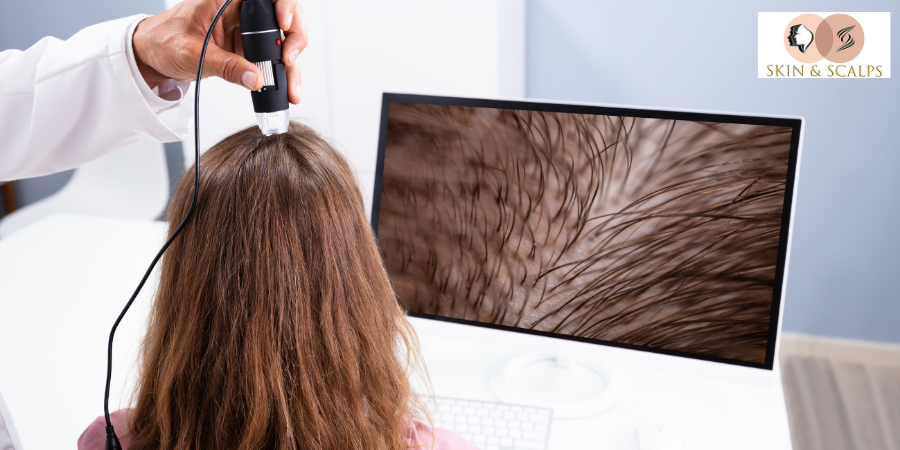
During a consultation, the dermatologist may consider factors such as your age, family history, diet, lifestyle, recent illnesses, stress levels, medications, hormonal history, and the pattern of hair loss.
Depending on the situation, the dermatologist may also recommend appropriate blood tests or other investigations to identify possible underlying factors.
This is important because treating the cause is often more useful than simply treating the symptom of hair shedding.
Hair Fall Treatment Options in Wakad
The treatment depends on the type and cause of hair loss. There is no single treatment that works equally well for every person.
| Treatment Approach | When It May Be Considered | Main Goal |
|---|---|---|
| Medical treatment | Depending on the diagnosed cause of hair loss | Address the underlying condition and support hair growth |
| PRP therapy | Selected cases of hair thinning | Support the hair-growth process |
| Mesotherapy | Selected hair and scalp concerns | Provide targeted treatment to the scalp |
| Scalp care | Dandruff, excessive oiliness, irritation, or scalp concerns | Improve overall scalp health |
| Hair transplant | Selected cases of permanent hair loss | Restore hair in areas with significant loss |
The most suitable option should be decided after a proper assessment. A treatment that is useful for hereditary hair loss may not be the right approach for temporary hair shedding caused by stress or nutritional factors.
For more information about available hair-loss and hair-growth treatments, visit our hair fall, hair growth and advanced hair-loss treatment page.
Simple Things You Can Do to Support Healthy Hair
Treatment is only one part of maintaining healthy hair. Your everyday habits can also make a difference to the condition of your scalp and hair.
- Eat a balanced diet with adequate protein and a variety of nutrient-rich foods.
- Avoid crash diets and extreme calorie restriction.
- Be gentle while brushing wet hair.
- Limit unnecessary heat styling and harsh chemical treatments.
- Keep the scalp clean according to your scalp type.
- Do not ignore persistent dandruff, itching, or scalp inflammation.
- Manage stress through regular sleep, exercise, relaxation, or other healthy routines.
- Avoid blindly taking supplements without identifying whether you actually have a deficiency.
Why Choose Skin & Scalps Clinic Wakad for Hair Fall Treatment?
Skin & Scalps Clinic Wakad focuses on personalised dermatological care for skin, hair, and scalp concerns. The clinic provides medical, cosmetic, and surgical dermatology services, with treatment plans designed around the individual’s condition and requirements.
Hair loss can affect more than just appearance. For many people, ongoing hair thinning can affect confidence and create considerable emotional stress. That is why the approach at Skin & Scalps Clinic goes beyond simply looking at the visible symptoms.
The clinic also focuses on patient counselling, lifestyle guidance, and helping patients understand their skin and hair concerns. The goal is to provide practical guidance and an individualised treatment approach rather than treating every patient in exactly the same way.
Meet Dr. Sohana Sharma
Dr. Sohana Sharma is the lead aesthetic dermatologist at Skin & Scalps Clinic. She completed her MBBS from Bharati Vidyapeeth and later pursued specialised training in aesthetic medicine through an institution affiliated with the German University of Greifswald.
With more than 8 years of experience in aesthetics, Dr. Sohana has developed a strong interest in skin and hair-related aesthetic concerns. She has also completed an additional degree in hair transplant, further strengthening her expertise in hair restoration.
Her approach focuses on understanding each patient’s individual concerns and creating a treatment plan suited to their needs. As Dr. Sohana believes, healthy skin and hair start with understanding what your body needs and taking the right steps to support it.
What Makes a Good Hair Fall Treatment Plan?
A good treatment plan should not simply focus on reducing the number of hairs you see on your comb. It should look at the bigger picture.
- Identifying the likely cause of hair fall
- Assessing the scalp and hair-loss pattern
- Checking for relevant nutritional or hormonal factors when needed
- Choosing treatment according to the diagnosis
- Improving scalp and hair-care habits
- Monitoring progress over time
- Setting realistic expectations about hair growth
Hair growth is a gradual process, so patience and consistency are important. The response to treatment can also vary from person to person.
Frequently Asked Questions About Hair Fall Treatment in Wakad
1. What is the best treatment for hair fall?
There is no single best treatment for everyone. The appropriate treatment depends on the cause, pattern, severity, and duration of hair loss. A dermatologist can assess these factors and recommend a suitable plan.
2. Does monsoon cause hair fall?
Some people notice increased hair shedding during the monsoon due to changes in humidity, scalp conditions, and their hair-care routine. However, persistent or excessive hair loss should not automatically be attributed to the weather.
3. Can dandruff cause hair fall?
Scalp conditions such as dandruff can contribute to itching, inflammation, and scalp discomfort. Scratching the scalp repeatedly can also damage hair. Persistent dandruff should therefore be evaluated and treated appropriately.
4. Is PRP useful for hair loss?
PRP may be considered for selected types of hair thinning. Whether it is appropriate for you depends on the diagnosis, stage of hair loss, and overall scalp and hair condition.
5. How long does hair fall treatment take to show results?
Hair growth is naturally slow, and the timeline depends on the underlying cause and treatment. Some people may notice changes earlier, while others require longer-term treatment and monitoring.
6. Should I take hair supplements for hair fall?
Supplements are not automatically necessary for everyone with hair fall. If a nutritional deficiency is suspected, the dermatologist may recommend appropriate testing before deciding whether supplementation is required.
7. When should I visit a dermatologist for hair loss?
If hair shedding is persistent, becoming heavier, causing visible thinning, or occurring in patches, it is better to consult a dermatologist rather than relying only on home remedies.
Book a Hair Fall Consultation in Wakad
If you have been noticing persistent hair fall or gradual thinning, the first step is understanding why it is happening. Early evaluation can help identify the possible cause and allow you to discuss suitable treatment options with a dermatologist.
Skin & Scalps Clinic Wakad provides personalised care for hair, scalp, and skin concerns, with an emphasis on consultation, counselling, and treatment plans tailored to individual needs.
Book an Appointment with Skin & Scalps Clinic to discuss your hair-loss concerns.
Find Skin & Scalps Clinic in Wakad, Pune
Visit Skin & Scalps Clinic for personalised dermatology and hair-care guidance in Wakad, Pune.
Read More
- Homepage: Skin & Scalps Clinic
- Hair Fall & Hair Growth Treatments: Hair Fall, Hair Growth and Advanced Hair Loss Treatments in Wakad, Pune
- Monsoon Hair Fall Guide: Hair Fall in Monsoon: Here’s How to Stop It Effectively
- Appointment: Book an Appointment
