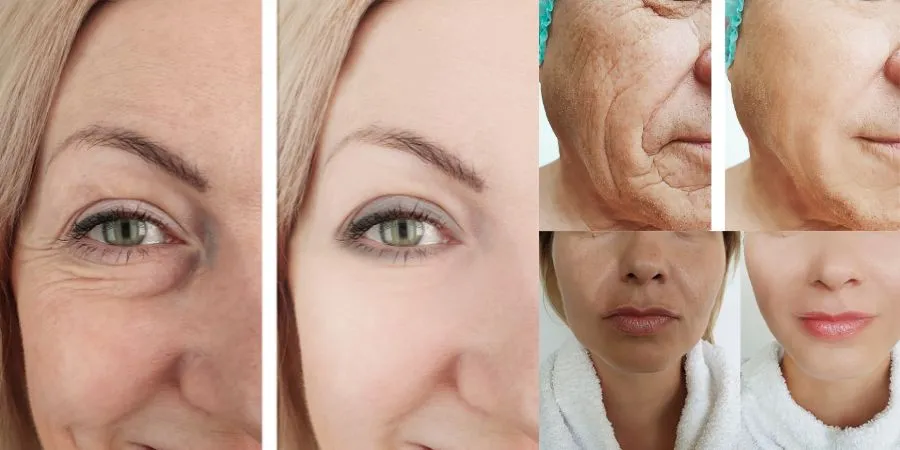
Wrinkles are a natural part of skin ageing. Over time, the skin gradually loses collagen, elastin and moisture, while factors such as sun exposure, pollution, smoking, stress and repeated facial movements can make fine lines more noticeable. Although no home remedy can permanently remove wrinkles, a healthy skincare routine and lifestyle can help keep the skin hydrated, protected and healthier-looking.
Many people search for natural solutions before considering professional procedures. Some simple ingredients may temporarily improve hydration or make the skin appear smoother. However, natural does not automatically mean safe for everyone. Ingredients such as lemon juice and essential oils can irritate sensitive skin, so professional advice is important before trying new remedies.
If you are looking for wrinkle treatments in Wakad, it is useful to understand the difference between home skincare and clinically proven dermatological treatments. A dermatologist can assess your skin type, the severity of your wrinkles and the factors contributing to premature ageing before recommending an appropriate treatment.
Why Do Wrinkles Develop?
Wrinkles develop as part of the natural ageing process. With age, the production of collagen and elastin decreases, causing the skin to become thinner and less firm. Natural oil production may also decline, making the skin drier.
Several external factors can accelerate visible skin ageing:
- Long-term exposure to ultraviolet (UV) radiation
- Smoking and tobacco exposure
- Air pollution and environmental stressors
- Repeated facial expressions
- Dehydrated or poorly moisturised skin
- Inadequate sleep and chronic stress
- A diet lacking essential nutrients
- Insufficient daily sun protection
Can Home Remedies Really Reduce Wrinkles?
Home remedies may support skin hydration and temporarily improve the appearance of dryness and fine lines. However, they should not be considered a cure for wrinkles.
For example, a moisturising ingredient may make fine lines look less prominent because hydrated skin appears smoother. This is different from actually rebuilding lost collagen or reversing established wrinkles.
For persistent or deeper wrinkles, a dermatologist can discuss evidence-based options based on your individual skin concerns.
1. Cucumber and Yogurt for Hydration
Cucumber contains a high amount of water and can provide a cooling and refreshing sensation when applied to the skin. Yogurt contains lactic acid, which can provide mild exfoliation when appropriately formulated.
A simple homemade mask can be prepared by blending cucumber with plain, unsweetened yogurt. Apply a small amount to clean skin and rinse gently after around 10–15 minutes.
Important: Always perform a patch test before using homemade masks. Avoid applying the mixture to broken, irritated or recently treated skin.
2. Healthy Oils for Dry Skin
Plant-based oils can help reduce moisture loss and make dry skin feel softer. Some oils contain antioxidants and fatty acids that may support the skin barrier.
If your skin tolerates facial oils, a small amount can be applied after cleansing. However, oils are moisturising agents rather than wrinkle-removing treatments. People with acne-prone or sensitive skin should ask a dermatologist before introducing facial oils.
3. Fruits and Vegetables for Healthy Skin
Skin health is closely connected with overall nutrition. Fruits and vegetables provide vitamins, minerals, fibre and antioxidants that support general health.
Include a variety of colourful foods in your diet, such as:
- Blueberries and other berries
- Papaya
- Bell peppers
- Broccoli
- Spinach and other leafy greens
- Carrots
- Avocado
- Citrus fruits
A balanced diet cannot eliminate wrinkles, but adequate nutrition supports normal skin function. Drinking enough water, exercising regularly and maintaining healthy sleep habits can also contribute to overall skin health.
4. Be Careful With Lemon and Honey
Lemon and honey are frequently promoted as natural skincare ingredients. Honey can have moisturising properties, but applying lemon juice directly to the face is not recommended.
Lemon juice is acidic and can cause irritation, dryness and increased sensitivity to sunlight. In some people, exposure to sunlight after applying certain citrus compounds can result in skin reactions and pigmentation.
For this reason, using lemon juice as a DIY wrinkle treatment is best avoided. If you want to address pigmentation, uneven skin tone or wrinkles, a dermatologist can recommend safer alternatives.
5. Egg White Masks: A Temporary Effect
Egg white masks are sometimes used as a home remedy because they can temporarily make the skin feel tighter as the mixture dries.
However, this tightening sensation should not be confused with a permanent reduction in wrinkles. There is no reason to expect an egg-white mask to rebuild collagen or reverse established ageing changes.
People with sensitive skin may also experience irritation. Avoid using raw egg on damaged skin and stop immediately if burning, itching or redness develops.
6. Lavender and Other Essential Oils
Essential oils are highly concentrated substances and can cause irritation or allergic reactions when applied directly to the skin. Lavender oil is sometimes used in cosmetic products, but that does not mean concentrated lavender essential oil is suitable for direct application to the face.
If you want to use an essential-oil-containing product, choose a properly formulated cosmetic product and follow its instructions. People with sensitive or reactive skin should consult a dermatologist before using essential oils.
The Most Important Anti-Ageing Step: Sun Protection
One of the most important ways to reduce premature skin ageing is protecting the skin from ultraviolet radiation.
Make sunscreen a part of your everyday skincare routine, especially when spending time outdoors. Choose a broad-spectrum sunscreen with an appropriate SPF and reapply according to the product instructions, particularly during prolonged outdoor exposure.
Additional protection can include hats, sunglasses, shade and protective clothing.
Simple Daily Anti-Ageing Skincare Routine
| Time | Routine | Purpose |
|---|---|---|
| Morning | Gentle cleanser + moisturiser + sunscreen | Cleanse, hydrate and protect the skin from UV exposure |
| Afternoon | Sunscreen reapplication when required | Maintain sun protection during outdoor exposure |
| Night | Gentle cleansing + moisturiser | Support the skin barrier overnight |
| Weekly | Only use exfoliating products appropriate for your skin type | Remove excess surface cells without over-irritating the skin |
When Should You See a Dermatologist?
Home skincare may be enough for basic hydration and prevention, but professional evaluation can be useful when wrinkles become more pronounced or when you want a targeted anti-ageing plan.
Consider consulting a dermatologist if:
- You have deep or rapidly increasing wrinkles.
- Your skin has persistent redness, irritation or pigmentation.
- DIY remedies repeatedly cause burning or itching.
- You want clinically guided anti-ageing treatment.
- You are considering procedures for fine lines or deeper wrinkles.
- You are unsure which skincare ingredients are suitable for your skin type.
Professional Wrinkle Treatments
Depending on the patient’s age, skin type, concerns and degree of ageing, dermatologists may consider different professional approaches. These may include topical skincare, chemical peels, laser-based procedures, microneedling, injectables or other aesthetic treatments when appropriate.
There is no single treatment that is ideal for everyone. A dermatologist should evaluate your skin before recommending a procedure. You can explore the range of treatments offered by Skin & Scalps Clinic to understand the available dermatological and aesthetic services.
Can Hydrafacial Help With Skin Texture?
Hydrafacial is a professional facial treatment designed around cleansing, exfoliation, extraction and hydration. It may help improve the appearance of dull or dehydrated skin and can be considered as part of a broader skincare plan.
It is important to understand that improving skin hydration and texture is not the same as permanently removing wrinkles. Read more about the treatment in What Is a Hydrafacial and How Does It Work?
Why Choose Skin & Scalps Clinic?
Skin & Scalps Clinic Wakad provides personalised dermatological, cosmetic and surgical skin and hair care. The clinic follows a patient-centred approach, with treatment recommendations based on individual concerns and clinical assessment.
Dr. Sohana Sharma is the lead aesthetic dermatologist at Skin & Scalps Clinic. She completed her MBBS from Bharati Vidyapeeth and pursued specialised training in aesthetic medicine at an institution affiliated with the University of Greifswald in Germany. She has more than eight years of experience in aesthetics and has also completed additional training in hair transplantation.
Dr. Sohana’s approach focuses on understanding the patient’s individual skin and hair requirements and creating personalised treatment plans. Proper counselling and lifestyle guidance can also be an important part of managing skin concerns.
You can learn more about the clinic and its approach through the Skin & Scalps Clinic About page.
What Patients Say
Patient experiences can provide useful insight into the consultation and treatment journey, although individual results can vary. You can read patient feedback and experiences on the Skin & Scalps Clinic testimonials page.
View the Clinic’s Work
For examples of treatments and clinical work, visit the Skin & Scalps Clinic gallery. Before-and-after results can vary depending on skin type, age, lifestyle, treatment choice and other individual factors.
Frequently Asked Questions About Wrinkles
1. Can home remedies permanently remove wrinkles?
No. Home remedies may improve hydration or temporarily improve the appearance of dry fine lines, but they cannot permanently remove established wrinkles or restore lost collagen.
2. Is lemon juice safe for wrinkles?
Direct application of lemon juice is generally not recommended because its acidity can irritate the skin and increase sensitivity to sunlight. Safer, dermatologist-recommended skincare products are preferable.
3. Is cucumber good for ageing skin?
Cucumber can provide hydration and a cooling sensation, particularly when the skin feels dry or uncomfortable. However, it should be considered a supportive skincare ingredient rather than a wrinkle treatment.
4. Does drinking water remove wrinkles?
Maintaining adequate hydration is important for overall health and helps support normal skin function. However, drinking additional water cannot reverse established wrinkles on its own.
5. What is the best treatment for wrinkles?
There is no single best treatment for every person. The appropriate option depends on the type and depth of wrinkles, skin condition, age, lifestyle and individual goals. A dermatologist can recommend a suitable treatment plan after evaluating your skin.
6. Can sunscreen prevent wrinkles?
Consistent protection from UV radiation can help reduce photoageing and protect against premature skin ageing. Sunscreen should therefore be an important part of a daily anti-ageing skincare routine.
7. When should I consider professional wrinkle treatment?
If wrinkles are persistent, deepening or affecting your confidence, you can consult a dermatologist. A professional evaluation can help determine whether skincare, lifestyle changes or an in-clinic treatment would be appropriate.
Final Takeaway
Natural skincare can be a useful part of maintaining healthy-looking skin, but expectations should remain realistic. Hydration, nutritious food, adequate sleep, regular exercise and daily sun protection are more valuable long-term habits than relying on a single DIY face mask.
Ingredients such as cucumber or plain moisturising products may support the skin barrier, while potentially irritating ingredients such as undiluted lemon juice and essential oils should be approached with caution. If you are concerned about wrinkles or premature skin ageing, professional dermatological guidance is the safest way to choose an appropriate treatment.
If you are considering wrinkle treatments in Wakad, consult a qualified dermatologist rather than relying solely on home remedies.
Medical Disclaimer
This article is intended for general informational and educational purposes only. It does not replace a consultation, diagnosis or treatment plan from a qualified dermatologist or other healthcare professional. Home remedies may not be suitable for every skin type, and individual results can vary. Some natural ingredients may cause irritation, allergy, burns, pigmentation or other skin reactions. Do not apply DIY ingredients to broken, infected or recently treated skin.
Always seek a doctor’s recommendation before starting a new skincare treatment, using active ingredients, or undergoing an aesthetic procedure. If you develop significant irritation, swelling, pain, blistering or another unusual reaction, discontinue the product and seek medical advice.
Clinic: Skin & Scalps Clinic, Wakad, Pune
Doctor: Dr. Sohana Sharma, Lead Aesthetic Dermatologist
Relevant terms: Skin clinic in Wakad, Skin specialist Pune, Best skin clinic Pune
