
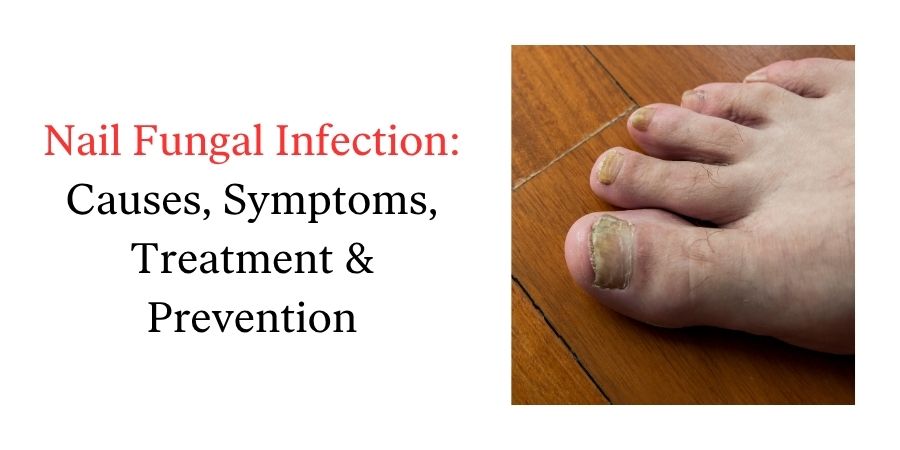
Nail fungal infection, medically known as onychomycosis, is one of the most common nail problems. In fact, fungal infections are responsible for a significant proportion of nail abnormalities. A fungus can normally live on the skin and body without causing problems, but when it grows excessively in the warm, moist environment around or underneath a nail, an infection can develop.
A fungal nail infection may initially appear as a small change in nail colour or texture. Over time, the nail can become yellow, thick, brittle, crumbly or distorted. Because nail fungus can take a long time to clear, early diagnosis and appropriate treatment are important.
At Skin & Scalps Clinic, Dr. Sohana Sharma evaluates different nail conditions and recommends treatment according to the underlying cause. Not every discoloured or damaged nail is caused by fungus, so professional evaluation can help determine the right approach.
What Is a Nail Fungal Infection?
A nail fungal infection occurs when fungi infect the nail plate, nail bed or surrounding tissues. Toenails are affected more commonly than fingernails because shoes can create a warm and moist environment where fungi can thrive.
The infection may start at the edge of the nail and gradually spread deeper. As the infection progresses, the nail may become thicker, change colour and become difficult to trim. In some people, more than one nail can be affected.
Common Causes of Nail Fungus
Nail fungus can develop when fungi enter through small cracks in the nail or surrounding skin. Several factors can increase the risk of infection.
- Regular exposure to damp or wet environments
- Wearing tight or poorly ventilated footwear
- Excessive sweating of the feet
- Walking barefoot in public pools, changing rooms or communal areas
- Sharing socks, shoes or nail-care equipment
- Previous fungal skin infections such as athlete’s foot
- Nail injuries or repeated trauma
- Inadequately sterilised manicure or pedicure instruments
- Conditions or treatments that affect the immune system
Symptoms of Nail Fungal Infection
Nail fungus can develop gradually, and the early symptoms may be easy to overlook. Common signs include changes in nail colour, thickness and texture.
- Yellow, white, brown or discoloured nails
- Thickened nail plate
- Brittle or crumbly nails
- Nails that separate from the nail bed
- Unpleasant odour in some cases
- Distorted nail shape
- Debris collecting underneath the nail
- Pain or discomfort in advanced cases
Nail Fungal Infection: Causes, Symptoms and Treatment at a Glance
| Aspect | Details |
|---|---|
| Medical condition | Onychomycosis or fungal nail infection |
| Common signs | Yellow or discoloured, thick, brittle or crumbly nails |
| Common risk factors | Moisture, sweating, tight footwear, nail trauma and exposure to communal areas |
| Treatment | May include topical or oral antifungal treatment depending on the diagnosis and severity |
| Recovery | Nails can take several months to grow out completely |
| Prevention | Keep nails clean, dry and short and avoid sharing footwear or nail-care tools |
How Is Nail Fungus Treated?
Treatment depends on the type and severity of the infection, the number of nails involved and the patient’s overall health. A dermatologist may recommend topical antifungal medicines for selected cases. When the infection is more extensive, oral antifungal medication may be considered.
At Skin & Scalps Clinic, Dr. Sohana may consider oral medicines such as terbinafine, itraconazole or fluconazole when clinically appropriate. These medicines should only be taken under medical supervision because the choice of medication, dosage and duration depends on the individual patient.
It is also important to understand that treatment does not make a damaged nail look normal immediately. The infected portion has to grow out, and complete nail replacement can take several months. Depending on the treatment and the individual case, Dr. Sohana may monitor the nail’s growth and response over time.
In particularly severe or difficult cases, nail removal may sometimes be considered as part of the overall treatment plan. The appropriate approach is determined after a clinical evaluation.
Why Can Nail Fungus Take So Long to Clear?
One of the biggest challenges with nail fungus is the slow growth of nails. Even after the fungal infection has been controlled, the damaged nail needs time to grow out and be replaced by healthy nail. Toenails generally grow more slowly than fingernails, so visible improvement may take time.
This is why patients should follow their prescribed treatment consistently and avoid stopping medication simply because the nail begins to look better. A dermatologist can advise when treatment should be stopped or changed.
How to Prevent Nail Fungal Infections
Good nail and foot hygiene can reduce the risk of fungal infections and may also help prevent recurrence. Dr. Sohana recommends practical precautions such as:
- Keep fingernails and toenails short, clean and dry.
- Wear breathable socks and change them regularly when they become damp.
- Use antifungal powders or sprays when medically appropriate.
- Wear gloves when prolonged exposure to water or cleaning products is unavoidable.
- Avoid biting, picking or damaging your nails.
- Wear footwear in public pools, changing rooms and communal shower areas.
- Choose a manicure or pedicure salon that follows proper sterilisation practices.
- Limit frequent use of artificial nails and nail polish if your nails are damaged.
- Wash your hands after touching an infected nail.
- Do not share shoes, socks, nail clippers or other personal nail-care items.
What Your Nails May Reveal About Your Health
Changes in nail shape, colour and texture do not always indicate a fungal infection. Some nail changes can be associated with external damage, nutritional problems, skin conditions or other health concerns. Here are some common nail changes that deserve attention.
Spoon-Shaped Nails
Spoon-shaped or concave nails are known as koilonychia. They can sometimes occur because of repeated exposure to chemicals or other external factors, but they may also be associated with iron deficiency. If a dermatologist suspects an underlying nutritional issue, appropriate blood tests may be recommended before treatment.
White Spots on Nails
Small white spots on nails are commonly called leukonychia. Contrary to a popular belief, they do not automatically mean that a person has a calcium deficiency. Minor trauma to the nail is a common explanation. Repeated injury can sometimes be reduced by protecting the nails and using suitable moisturising products.
Brittle Nails
Brittle nails can become fragmented, crumbly or weak. External factors such as frequent contact with cleaning products, prolonged exposure to water and cosmetic nail treatments can contribute. When toenails are also thick, discoloured or brittle, a fungal infection should be considered and evaluated by a dermatologist.
Nail Pitting
Nail pitting appears as tiny depressions or pinhead-sized dents on the nail surface. It can occur in association with certain inflammatory or immune-related skin conditions. Because nail pitting can have different causes, a professional evaluation is useful before starting supplements or other treatment.
Transverse Grooves or Beau’s Lines
Beau’s lines are horizontal grooves or furrows that run across the nail plate. They can develop after an injury to the nail, significant illness or certain medical treatments. In many cases, the groove gradually moves forward as the nail grows.
Nail Clubbing
Nail clubbing can make the nails appear more rounded or convex, with enlargement of the fingertips. Because clubbing can sometimes be associated with underlying heart or lung conditions, unexplained changes should be medically evaluated rather than treated only as a cosmetic concern.
Longitudinal Grooves
Vertical ridges running from the nail base toward the tip are common and can become more noticeable with age. However, significant or sudden nail changes should be assessed, particularly when accompanied by other symptoms.
Split and Cracked Nails
Split or cracked nails can result from mechanical trauma, dryness, repeated exposure to water, chemicals or cosmetic products. If cracking occurs together with yellow discolouration or nail thickening, fungal infection may be one possible cause and should be checked by a dermatologist.
Nail Biting
Nail biting, medically known as onychophagia, can damage the nail plate and surrounding skin. It can also transfer bacteria from the mouth to the fingers and may contribute to infections around the nail, such as paronychia. Persistent nail biting can sometimes be associated with stress, anxiety or compulsive behaviours, so addressing the underlying habit may be helpful.
When Should You See a Dermatologist?
You should consider seeing a dermatologist if your nail becomes persistently discoloured, thickened, brittle, painful or separated from the nail bed. Professional evaluation is particularly important when several nails are affected, the condition keeps returning, or there is no improvement with home care.
Not every abnormal-looking nail is fungal. Conditions such as psoriasis, trauma, nutritional deficiencies and other nail disorders can look similar. A dermatologist can assess the appearance and history of the nail and determine whether additional testing or treatment is necessary.
Nail Treatments at Skin & Scalps Clinic
Skin & Scalps Clinic provides dermatological evaluation and treatment for a range of nail concerns, including fungal nail infections and other nail abnormalities. Dr. Sohana Sharma evaluates the condition of the nails and recommends an appropriate treatment approach based on the individual’s symptoms and clinical findings.
If you are experiencing nail discolouration, thickening, brittleness, nail pitting, cracking or suspected fungal infection, professional assessment can help identify the underlying cause and guide appropriate treatment.
Learn more about the clinic’s Nail Treatments and explore more dermatology and skin-care information on the Skin & Scalps Clinic Blog.
Frequently Asked Questions
1. What is the main cause of nail fungal infection?
Nail fungal infections are caused by fungi that grow in or around the nail. Warm, moist environments, sweaty feet, tight footwear, nail trauma and exposure to contaminated surfaces can increase the risk.
2. What does fungal nail infection look like?
A fungal nail may become yellow, white or brown, thickened, brittle, crumbly or distorted. However, similar changes can occur with other nail conditions, so diagnosis by a dermatologist may be necessary.
3. Can nail fungus go away on its own?
Nail fungal infections can persist for a long time and may become more extensive without appropriate treatment. If you suspect nail fungus, it is better to have the condition evaluated rather than waiting for it to disappear.
4. How long does nail fungus treatment take?
Treatment duration varies depending on the severity and the medication used. Because nails grow slowly, it can take several months for healthy nail to completely replace the affected portion.
5. Are oral medicines used for nail fungus?
Yes. For selected patients, a dermatologist may prescribe oral antifungal medicines such as terbinafine, itraconazole or fluconazole. These medicines require medical supervision and should not be self-prescribed.
6. Can nail fungus be prevented?
Good hygiene can reduce the risk. Keep nails short and dry, wear breathable footwear and socks, avoid sharing shoes or nail tools, wear footwear in public wet areas and ensure manicure or pedicure tools are properly sterilised.
7. Are white spots on nails caused by calcium deficiency?
Not necessarily. Small white spots are commonly caused by minor trauma to the nail and are not automatically a sign of calcium deficiency.
8. When should I visit Dr. Sohana for a nail problem?
If a nail remains discoloured, thick, brittle, painful, cracked or distorted, or if the condition keeps returning, a dermatological evaluation can help identify the cause and determine the appropriate treatment.
Conclusion
Nail fungal infection is common, but persistent nail changes should not be ignored. Yellow or discoloured nails, thickening, brittleness, crumbling and changes in nail shape can have several different causes. Early professional evaluation can help distinguish fungal infection from other nail disorders and guide appropriate treatment.
With suitable medical care, consistent treatment and good nail hygiene, fungal nail infections can be managed effectively. If you are concerned about a nail infection or another nail abnormality, consult Dr. Sohana Sharma at Skin & Scalps Clinic for a professional evaluation.
Explore: Nail Treatments at Skin & Scalps Clinic | Read More Dermatology Blogs
