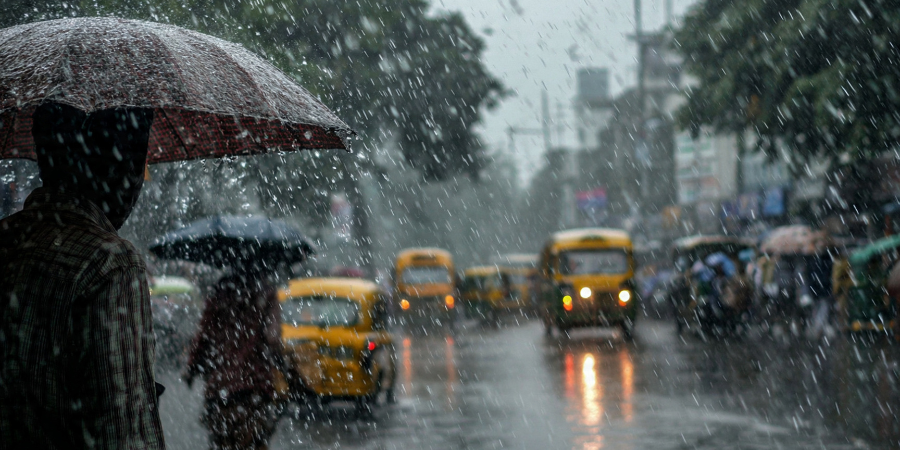
The monsoon season brings welcome relief from the summer heat, but it also creates the perfect environment for hair problems. High humidity, rainwater, sweat, and pollution can leave your hair frizzy, weak, oily, and prone to infections. Many people notice increased hair fall, dandruff, scalp itching, and dull-looking hair during the rainy season.
The good news is that a few simple changes to your hair care routine can help you maintain healthy, shiny hair throughout the monsoon. Understanding what your hair needs during this season is the first step toward preventing damage.
At Skin & Scalps Clinic Wakad, our experienced dermatologists help patients identify the root cause of hair and scalp concerns while providing personalized treatment plans for long-term hair health.
Why Does Hair Fall Increase During Monsoon?
Hair fall during the rainy season is quite common because of several environmental factors.
| Cause | Effect on Hair |
|---|---|
| High Humidity | Makes hair frizzy and weak |
| Excess Sweat | Increases oil production on the scalp |
| Rainwater Pollution | Causes scalp irritation |
| Fungal Growth | Leads to dandruff and itching |
| Poor Scalp Hygiene | Weakens hair roots |
| Nutritional Deficiencies | Reduces hair strength |
When these factors combine, the scalp becomes unhealthy, resulting in excessive hair shedding and slower hair growth.
Common Hair Problems During the Rainy Season
1. Increased Hair Fall
Humidity weakens hair roots, making strands break more easily while washing or combing.
2. Dandruff
A moist scalp becomes the ideal environment for dandruff-causing fungi.
Signs include:
- White flakes
- Itchy scalp
- Dry patches
- Redness
3. Frizzy Hair
Moisture from the air enters the hair shaft, making hair rough, dry, and difficult to manage.
4. Oily Scalp
Sweat and humidity increase oil production, making hair look greasy within a day.
5. Scalp Infections
Wearing wet hair or not drying the scalp properly can encourage bacterial and fungal infections.
Symptoms include:
- Persistent itching
- Redness
- Small bumps
- Scalp pain
10 Essential Monsoon Hair Care Tips
1. Keep Your Scalp Clean
Wash your hair 2–3 times a week using a mild shampoo to remove dirt, sweat, and excess oil.
- Avoid over-washing as it can strip natural oils.
2. Never Leave Your Hair Wet
One of the biggest mistakes during monsoon is tying up wet hair.
Always:
- Dry your hair completely
- Use a microfiber towel
- Let it air dry whenever possible
3. Use a Mild Anti-Dandruff Shampoo
If you experience dandruff during monsoon, choose a dermatologist-recommended anti-dandruff shampoo.
Benefits:
- Controls fungal growth
- Reduces itching
- Keeps the scalp healthy
4. Oil Your Hair Correctly
Many people avoid oiling during monsoon, but light oiling before washing helps nourish the scalp.
Suitable oils:
- Coconut oil
- Argan oil
- Almond oil
Tip: Avoid leaving oil overnight if your scalp is oily.
5. Eat Hair-Healthy Foods
Healthy hair starts from within.
Include foods rich in:
- Protein
- Iron
- Zinc
- Vitamin D
- Biotin
- Omega-3 fatty acids
Examples:
- Eggs
- Fish
- Spinach
- Nuts
- Fruits
- Seeds
- Lentils
6. Stay Hydrated
Many people drink less water during rainy weather.
Hydration helps:
- Keep hair follicles healthy
- Moisturize the scalp
- Strengthen hair
Aim for 2–3 litres of water daily.
7. Avoid Heat Styling
Frequent use of hair straighteners, curling irons, and blow dryers can worsen dryness and breakage during humid weather.
Allow your hair to dry naturally whenever possible.
8. Use a Wide-Tooth Comb
Wet hair is weaker than dry hair.
Instead:
- Use a wide-tooth comb
- Start from the ends
- Work upwards gently
This reduces hair breakage.
9. Trim Split Ends
Regular trims every 6–8 weeks help remove damaged ends and improve overall hair health.
10. Protect Hair from Rainwater
Rainwater often contains pollutants and dust.
If your hair gets wet:
- Wash with clean water
- Dry immediately
- Avoid sleeping with damp hair
Best Hair Care Routine for Monsoon
| Time | Hair Care Routine |
|---|---|
| Morning | Comb gently and tie hair loosely |
| After Rain Exposure | Rinse hair with clean water |
| Twice Weekly | Wash using a mild shampoo |
| Weekly | Apply light hair oil before washing |
| Daily | Eat protein-rich meals and drink plenty of water |
| Monthly | Trim damaged hair ends |
Foods That Promote Healthy Hair Growth
| Include These Foods | Limit These Foods |
|---|---|
|
|
Monsoon Hair Care Do’s and Don’ts
| Do’s | Don’ts |
|---|---|
| Wash hair after getting wet in rain | Leave rainwater on your hair |
| Keep scalp clean | Sleep with wet hair |
| Eat a nutritious diet | Skip meals |
| Use dermatologist-approved products | Experiment with harsh chemicals |
| Dry hair properly | Tie wet hair tightly |
| Comb gently | Brush wet hair aggressively |
When Should You Visit a Dermatologist?
Occasional hair fall during monsoon is normal. However, consult a dermatologist if you notice:
- Hair fall lasting more than 6 weeks
- Bald patches
- Severe dandruff
- Persistent scalp itching
- Painful scalp
- Excessive hair thinning
- Recurrent fungal infections
Early diagnosis can prevent permanent hair damage and improve treatment outcomes.
Expert Hair Care at Skin & Scalps Clinic Wakad
Skin & Scalps Clinic Wakad is dedicated to providing expert dermatology care tailored to every individual’s unique skin and hair needs. Our patient-centered approach ensures personalized treatment plans for medical, cosmetic, and surgical dermatology, helping you achieve healthier skin and stronger hair.
Beyond advanced treatments, we believe in educating our patients about lifestyle modifications that support long-term skin and scalp health. We also provide counseling for skin and hair conditions to help boost confidence and improve overall well-being.
Our team understands that hair concerns can affect emotional health as much as physical appearance. That’s why we focus on delivering effective treatments within the promised timeframe while ensuring compassionate care throughout your journey.
Meet Dr. Sohana Sharma
Dr. Sohana Sharma is the lead aesthetic dermatologist at Skin & Scalps Clinic. After completing her MBBS from Bharati Vidyapeeth, she specialized in Aesthetic Medicine through an institution affiliated with the prestigious German University of Greifswald. With over 8 years of experience and an additional qualification in Hair Transplant, she provides comprehensive care for various skin and hair concerns.
Dr. Sohana Sharma says:
“Healthy skin and hair begin with understanding your body’s needs and fulfilling them with the right care, nutrition, and lifestyle.”
Whether you’re dealing with seasonal hair fall, dandruff, scalp infections, or chronic hair thinning, professional evaluation can help identify the root cause and provide a personalized treatment plan.
Conclusion
The rainy season doesn’t have to mean unhealthy hair. By maintaining proper scalp hygiene, following a balanced diet, staying hydrated, and protecting your hair from excess moisture, you can significantly reduce seasonal hair problems. Simple habits like drying your hair thoroughly, avoiding harsh styling tools, and using dermatologist-recommended products can make a noticeable difference.
If you experience persistent hair fall, severe dandruff, or scalp irritation, don’t ignore the symptoms. Consulting an experienced dermatologist can help prevent long-term damage and restore healthy hair growth.
With expert guidance from Skin & Scalps Clinic Wakad and the care of Dr. Sohana Sharma, you can keep your hair healthy, strong, and beautiful throughout the monsoon season.
Frequently Asked Questions (FAQs)
1. Is hair fall normal during the monsoon?
Yes. Mild seasonal hair fall is common due to humidity and scalp moisture. However, excessive or prolonged hair loss should be evaluated by a dermatologist.
2. How often should I wash my hair during the rainy season?
Most people benefit from washing their hair 2–3 times a week with a mild shampoo. Those with an oily scalp may require more frequent washing as advised by a dermatologist.
3. Does rainwater damage hair?
Rainwater mixed with pollution and dust can irritate the scalp and weaken hair. It’s best to rinse your hair with clean water after getting caught in the rain.
4. Can dandruff increase during monsoon?
Yes. Humid conditions encourage fungal growth on the scalp, making dandruff and itching more common during the rainy season.
5. Which foods help reduce hair fall?
Protein-rich foods, leafy greens, eggs, nuts, seeds, fish, beans, and fruits provide essential nutrients that support healthy hair growth.
6. When should I see a dermatologist for hair fall?
Consult a dermatologist if your hair fall lasts longer than six weeks, is accompanied by bald patches, severe dandruff, scalp pain, persistent itching, or noticeable thinning.
