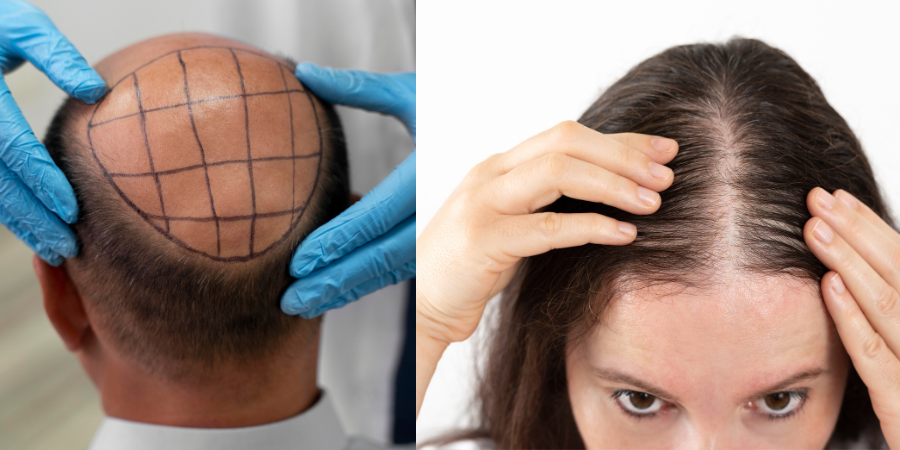
Hair fall has become one of the most common concerns affecting both men and women. While losing a few strands every day is considered normal, excessive hair shedding may indicate an underlying issue that requires professional attention.
Many people searching for Hair Fall Treatment in Pune or the Best Dermatologist in Wakad often wonder why hair loss occurs and which treatment is most effective. Understanding the root cause is the first step toward achieving stronger, thicker, and healthier hair.
What is Hair Fall?
Hair fall refers to excessive shedding of hair beyond the normal range.
On average, losing 50 to 100 hairs daily is considered normal. However, when hair loss becomes excessive and new hair growth cannot compensate for the lost strands, hair density gradually decreases.
Signs and Symptoms of Hair Fall
Common symptoms include:
- Excessive hair on the pillow.
- Hair strands in the comb.
- Hair accumulation during washing.
- Reduced hair volume.
- Visible scalp.
- Wider hair partition.
- Receding hairline.
Why Does Hair Fall Occur?
Hair fall can result from various factors.
1. Stress and Anxiety
Stress is one of the leading causes of temporary hair loss.
Physical stress, emotional trauma, lack of sleep, and work pressure can affect the hair growth cycle.
Stress-Related Hair Loss Symptoms
- Sudden increase in shedding.
- Diffuse thinning.
- Reduced hair density.
2. Nutritional Deficiencies
Healthy hair requires proper nutrition. Deficiency of essential nutrients weakens the follicles and increases hair fall.
Important Nutrients for Hair Growth
| Nutrient | Importance |
|---|---|
| Protein | Hair formation |
| Iron | Oxygen supply |
| Zinc | Tissue repair |
| Biotin | Hair strengthening |
| Vitamin D | Follicle stimulation |
| Vitamin B12 | Blood circulation |
| Omega-3 Fatty Acids | Scalp health |
3. Hormonal Imbalance
Hormones play a crucial role in hair growth.
Conditions that may contribute to excessive hair fall include:
- PCOS
- Thyroid disorders
- Menopause
- Pregnancy
- Postpartum hormonal changes
4. Genetics
Hereditary hair loss affects millions of men and women worldwide. Pattern baldness is one of the most common forms of hair loss.
5. Medical Conditions
Several medical conditions may trigger hair loss.
- Thyroid disease
- Autoimmune disorders
- Scalp infections
- Severe fever
- Anemia
6. Excessive Chemical Exposure
Frequent use of hair colors, straightening treatments, rebonding procedures, and heat styling can weaken hair shafts and damage follicles.
Hair Fall in Women
Hair loss among women has become increasingly common.
Major Causes
- PCOS
- Iron deficiency
- Pregnancy
- Menopause
- Stress
- Thyroid disorders
Symptoms
- Widening hair partition
- Reduced ponytail thickness
- Diffuse hair loss
- Excessive shedding
Hair Fall in Men
Hair loss in men usually starts with a receding hairline or crown thinning.
Common Causes
- Genetics
- Hormonal imbalance
- Smoking
- Stress
- Poor lifestyle
Hair Growth Cycle Explained
Anagen Phase
This is the active growth phase.
- Lasts 2–7 years
- Hair grows continuously
Catagen Phase
This transitional stage lasts for a few weeks. Hair follicles shrink and prepare for the resting phase.
Telogen Phase
Hair enters the resting stage. Old hairs shed naturally and new hairs begin growing.
Disruption in this cycle may lead to excessive hair loss.
Hair Growth: How Does Healthy Hair Grow?
Hair growth depends upon several factors.
Factors Influencing Hair Growth
Nutrition
A balanced diet provides essential nutrients.
Scalp Health
Healthy follicles support stronger hair.
Blood Circulation
Adequate blood supply nourishes hair roots.
Hormonal Balance
Hormones regulate follicle activity.
Stress Management
Reduced stress supports normal growth cycles.
Best Foods for Hair Growth
Eggs
Rich in:
- Protein
- Biotin
- Vitamin B12
Spinach
- Iron
- Folate
- Vitamin A
Fatty Fish
- Omega-3 fatty acids
- Vitamin D
- Protein
Nuts and Seeds
- Zinc
- Selenium
- Healthy fats
Lentils
- Iron
- Protein
- Zinc
Fruits
Especially oranges, berries, kiwi, and guava. These are rich in antioxidants and Vitamin C.
Hair Growth Tips Recommended by Dermatologists
- Maintain a Balanced Diet – Protein-rich foods support hair structure.
- Stay Hydrated – Hydration improves scalp health.
- Avoid Stress – Practice meditation, yoga, and exercise.
- Get Proper Sleep – Promotes tissue repair and regeneration.
- Avoid Smoking – Smoking reduces blood flow to hair follicles.
- Avoid Self-Medication – Consult a dermatologist before starting treatments.
Advanced Hair Treatments Available at Skin & Scalps Clinic Wakad Pune
PRP Therapy for Hair Growth
PRP (Platelet Rich Plasma) Therapy is one of the most popular non-surgical hair treatments. It utilizes growth factors present in the patient’s own blood to stimulate dormant hair follicles.
Benefits of PRP Treatment
- Improves hair density
- Reduces hair fall
- Enhances follicle health
- Promotes natural hair growth
- Safe and minimally invasive
Who Can Benefit from PRP?
- Hair thinning
- Pattern hair loss
- Early-stage baldness
- Weak hair density
Mesotherapy for Hair Loss
Mesotherapy involves injecting vitamins, amino acids, and nutrients into the scalp.
Benefits
- Improves blood circulation
- Strengthens follicles
- Supports healthy hair growth
- Reduces hair shedding
Hair Transplant Treatment
Hair transplant is a permanent solution for advanced hair loss. Healthy follicles from donor areas are transplanted into bald regions.
Benefits of Hair Transplant
- Permanent results
- Natural appearance
- Increased confidence
- Long-term solution
Who is a Good Candidate?
- Men with pattern baldness
- Women with severe hair loss
- Individuals with stable donor hair
Dandruff and Hair Fall
Severe dandruff can contribute to scalp irritation, itching, hair breakage, and hair fall. Proper scalp care and treatment can improve overall hair health.
Common Hair Care Mistakes
- Washing Hair with Hot Water – Can dry the scalp and weaken hair.
- Excessive Heat Styling – Hair dryers, straighteners, and curling irons may damage hair shafts.
- Crash Dieting – Rapid weight loss may trigger hair fall.
- Tight Hairstyles – Tight ponytails and braids may cause traction alopecia.
Comparison of Hair Loss Treatments
| Treatment | Suitable For | Downtime |
|---|---|---|
| PRP Therapy | Hair thinning | Minimal |
| Mesotherapy | Weak follicles | Minimal |
| Medications | Early hair loss | None |
| Hair Transplant | Advanced baldness | Few days |
| Lifestyle Modification | Overall hair health | None |
Frequently Asked Questions About Hair Fall and Hair Growth
Can hair fall be stopped permanently?
Hair fall can often be controlled by treating the underlying cause and following appropriate treatment plans.
Which deficiency causes hair fall?
Iron deficiency, Vitamin D deficiency, Biotin deficiency, and Vitamin B12 deficiency are common contributors.
Which treatment is best for hair growth?
The best treatment depends on the cause of hair loss. Common options include PRP Therapy, Mesotherapy, Medications, and Hair Transplant.
Does stress increase hair fall?
Yes. Chronic stress can disrupt the hair growth cycle and lead to excessive shedding.
Is PRP treatment painful?
PRP treatment is minimally invasive and generally well tolerated.
How long does PRP treatment take?
Each session usually takes around 45–60 minutes.
Is hair transplant permanent?
Hair transplant provides long-lasting and natural-looking results.
Which doctor should I consult for hair fall?
An experienced dermatologist or hair specialist can accurately diagnose the cause and recommend suitable treatment.
Why Choose Skin & Scalps Clinic Wakad Pune for Hair Treatments?
- Experienced Dermatologist – Treatment under the guidance of Dr. Sohana Sharma.
- Personalized Treatment Plans – Customized solutions according to individual needs.
- Advanced Technology – Modern and evidence-based procedures.
- Comprehensive Hair Care – From diagnosis to treatment and lifestyle counseling.
- Patient-Centered Approach – Focus on long-term results and confidence enhancement.
Healthy hair begins with understanding your body and taking timely action.
